
If your organization hasn’t reviewed its Microsoft 365 subscription recently, now is a good time to start. As of July 1, 2026, Microsoft has updated pricing across its commercial, nonprofit, and government plans, with increases ranging from 5% to as much as 43% depending on the tier.
Microsoft 365 pricing changes: What you need to know
How to stay safe from Spectre & Meltdown
Like many security flaws, the Spectre and Meltdown bugs can leak critical data from computers and mobile devices for hackers to exploit. What makes them unique is the vast number of PCs, laptops, tablets, and smartphones they affect. But if you use an Apple device, there are fixes that can help you temporarily protect against them.
Are the encrypted sites you visit safe?
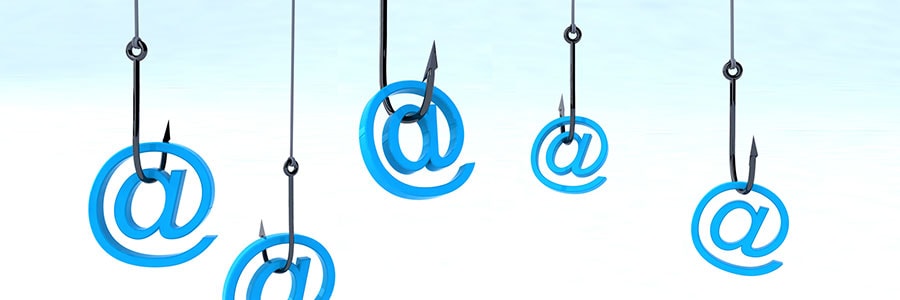
You can easily tell whether a website is encrypted, and therefore safe, if a padlock icon appears next to its URL and if it starts with HTTPS (instead of just HTTP). Unfortunately, hackers now use the very same tool that’s supposed to protect browsers from malicious entities via encrypted phishing sites.
KRACK patch on macOS High Sierra

Together with a new batch of emojis, the latest macOS update comes with security, stability, and reliability improvements. As usual, Apple recommends that Mac users update to macOS 10.13.1 High Sierra, and with good reason: It includes an essential patch to the recently discovered WiFi security vulnerability, KRACK.
Why you should update now
Foremost on Apple’s list of macOS updates is the addition of 70 new emojis.
VoIP phishing: how scammers do it

Although many companies still use traditional phones, an increasing number rely on VoIP’s (Voice over Internet Protocol) multi-functionality, which allows employees to make voice calls, conduct video-conferences, and chat. Although many scammers send fraudulent emails to extort money or steal data from businesses, new ‘vishing’ campaigns are proving to be a more efficient way to scam.
Know these types of malware to stay protected

Computer threats have been around for decades. In fact, one of the first computer viruses was detected in the early 70s. Technology has come a long way since then, but so have online threats: Spyware, ransomware, virus, trojans, and all types of malware designed to wreak havoc.
Nyetya ransomware: what you need to know
Nyetya, a variant of the Petya ransomware, is spreading across businesses all over the world. Although it shares the same qualities as WannaCry -- a ransomware deemed ‘one of the worst in history’ -- many cyber security experts are calling it a more virulent strain of malware that could cause greater damage to both small and large organizations.
New ransomware demands sacrifice
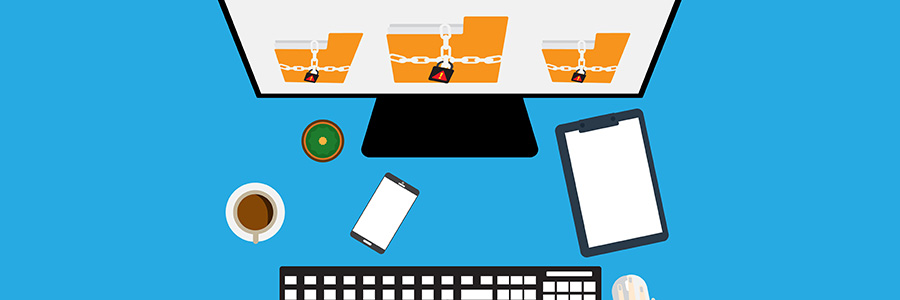
It's scary to think you can be simply browsing the Internet when WHAM! a screen pops up out of nowhere claiming that you have been hijacked and will need to pay a bitcoin to free your computer. Unfortunately, ransomware like this is not uncommon. But now there's a new, more devastating virus that asks victims to pick other victims to replace them in order to get their computer information back safely.